Hello Guys before we look at the foods that fights cold, lets learn a Little more about what Cold really is, how to prevent them, how long it last and how to get rid of it.
Although many types of viruses can cause a common cold, rhinoviruses are the most common culprit. A cold virus enters your body through your mouth, eyes or nose. The virus can spread through droplets in the air when someone who is sick coughs, sneezes or talks.
How long does a cold last for?
Cold symptoms usually appear 2 or 3 days after a person has been exposed to a source of infection. People with colds are most contagious for the first 3 or 4 days after the symptoms appear and may be contagious for up to 3 weeks. Although some colds can linger for as long as 2 weeks, most clear up within a week.
Signs and symptoms, of cold can vary from person to person, might include:
Runny or stuffy nose.
Sore throat.
Cough.
Congestion.
Slight body aches or a mild headache.
Sneezing.
Low-grade fever.
Generally feeling unwell (malaise)
There's no vaccine for the common cold, but you can take common-sense precautions to slow the spread of cold viruses: Wash your hands. Clean your hands thoroughly and often with soap and water, and teach your children the importance of hand-washing.
Ginger
Ginger is known as the universal medicine . ginger helps break down mucous to help clear your respiratory tract and alleviate symptoms of congestion. It also contains phytochemicals that help fight viruses that can cause respiratory illnesses. use fresh ginger in teas and cooked with food.
Vitamin C, also known as Ascorbic Acid include the treatment of the common cold, boosting the immune system, The important sources of Vitamin C are any citrus fruits, such as oranges and grapes. Strawberries, raspberries, cabbages, cauliflower, other leafy vegetables, red peppers, potatoes, broccoli, chilies, watercress, parsley, Brussels sprouts, cantaloupes, mange tout, and kiwi fruits are also rich sources of this vitamin.
Vitamin A
Vitamin A is known to help keep certain parts of the body, like the lining of the digestive tract, healthy. This helps prevent infection because the digestive tract is a physical barrier to infection and illness.
vitamin A foods include sweet potatoes, carrots, dark leafy greens, winter squashes, lettuce, dried apricots, cantaloupe, bell peppers, fish, liver, and tropical fruits.
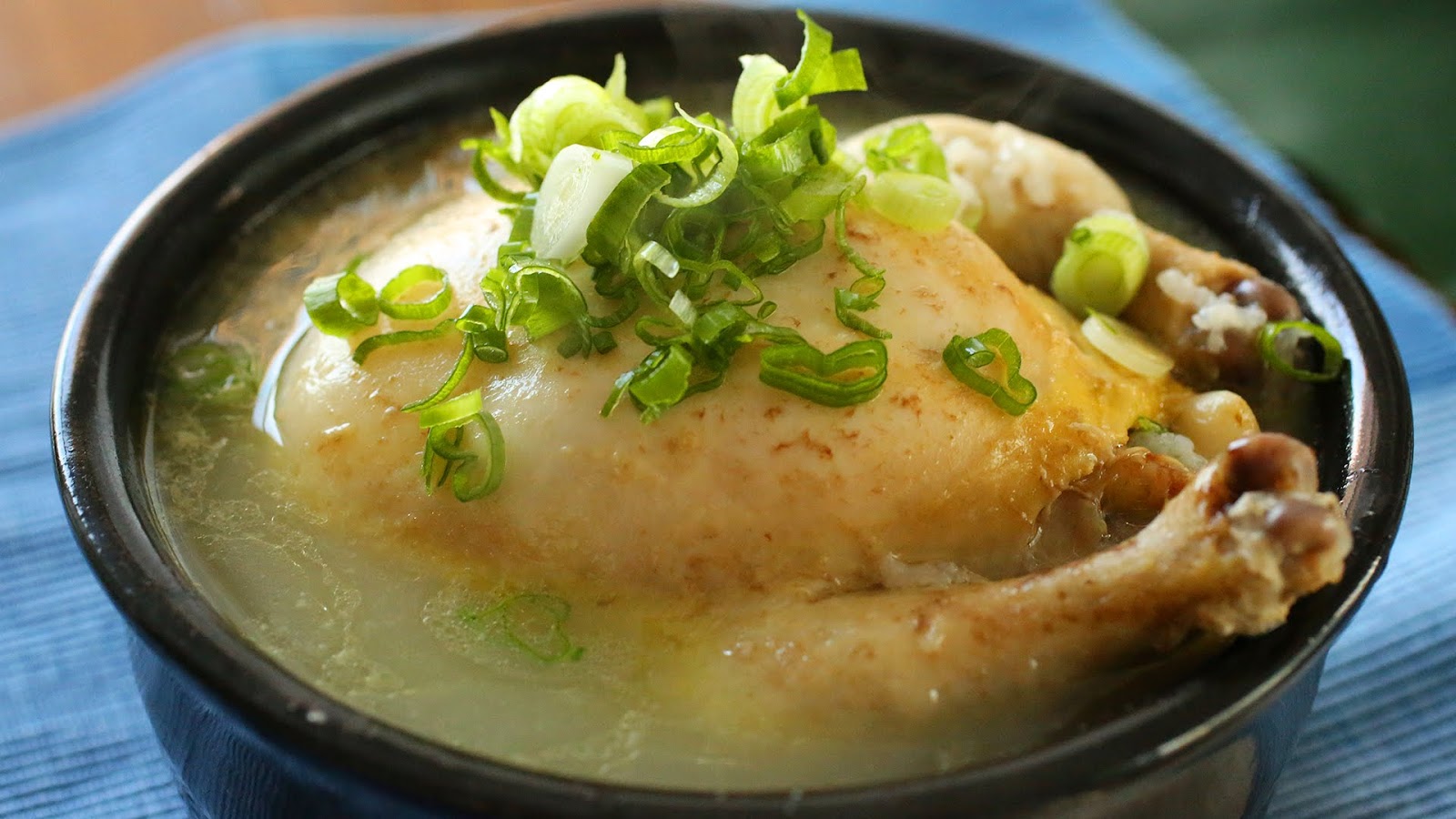
Chicken Soup
You should eat chicken soup when you’re sick. This age-old elixir combines many elements that help
speed your recovery. The warm broth not only soothes your throat but helps you stay hydrated, too. “Hot liquid, like soup, raises the temperature in your body and airways, loosening mucus secretion.
Beef
If you want to boost your immune system, eat some beef. “Beef is a good source of zinc, and zinc is important in the development of the white blood cells that defend your body,” Research has shown that having a zinc deficiency decreases a person’s immune function and response. Plus, the extra protein you get from chowing down on beef supports the body in building antibodies and fighting off infection,
I hope you have learned alot here, don't forget to leave a comment, like and share to your loved one's
Webfuntaiment recipe blog is all about sharing healthy tips and delicious food recipes . All health lovers and foodies are welcome to share their passion Health is wealth stay healthy eat right!!!.
Showing posts with label health tips. Show all posts
Tuesday, 17 January 2017
Tuesday, 24 May 2016
BENEFITS AND USES OF SHEA BUTTER
What is Shea Butter?
Shea butter is a skin superfood that comes from the seeds of the fruit of the Shea (Karite) tree and that is naturally rich in vitamins A, E and F. It offers UV protection (it is SPF ~6) and provides the skin with essential fatty acids and the nutrients necessary for collagen production. Shea butter has been used in Africa and other countries for years to improve skin and hair.Shea butter exhibits several health benefits, particularly for the skin and the hair. It is used in a variety of cosmetics and medicinal formulas in combination with other botanical ingredients. Some of the health benefits of shea butter are given below.
Benefits
Reduces Inflammation: A 2010 study found that due to its cinnamic acid and other natural properties, shea butter was anti-inflammatory. (source) One compound in particular, lupeol cinnamate, was found to reduce skin inflammation and even potentially help avoid skin mutations. This also makes it beneficial for some people with acne.Skin Smoothing: Shea butter aids in the skin’s natural collagen production and contains oleic, stearic, palmitic and linolenic acids that protect and nourish the skin to prevent drying. With long term use, many people report skin softening and strengthening as well as wrinkle reduction.
Moisturizing: The concentration of natural vitamins and fatty acids in Shea butter makes it incredibly nourishing and moisturizing for skin. It is often used to remedy dry skin and to help protect the skin’s natural oils.
Shea Butter For SkinShea butter is considered a super food for the skin as it is rich in precious constituents such as unsaturated fats with a large proportion of non-saponifiable components, essential fatty acids, vitamins E and D, phytosterols, provitamin A and allantoin. It has been used since time immemorial for skin care, baby care, and for consumption. In fact, the legendary Egyptian queen, Nefertiti, owed her beauty secrets to shea butter, which further demonstrates its goodness for the skin. Given below are its various benefits for the skin.
Healing Qualities:
Shea butter is known for its healing properties that can be attributed to the presence of several fatty acids and plant sterols such as oleic, palmitic, stearic and linolenic acids. These oil-soluble components do not undergo saponification or convert into soap on coming in contact with alkali. Shea butter is more non-saponifiable than other nut oils and fats, thus imparting it a great healing potential for the skin. Raw, unrefined shea butter is effective in curing skin rashes, skin peeling after tanning, scars, stretch marks, frost bites, burns, athletes foot, insect bites and stings, arthritis, and muscle fatigue.- As a natural baby-care product (alone) or ingredient in baby care recipes
- By itself on the lips or in homemade lip balms
- Or homemade shimmer lip balm
- To improve skin elasticity (some even say it helps with cellulite)
- On the hair or scalp (in mixture with other natural ingredients)
- In homemade liquid creme foundation and makeup
- After sun or beach exposure to replenish skin
- On the eyelids before applying makeup to make it last longer
- As a natural cuticle cream
- On scars to naturally help collagen production
- On sore/raw noses during a cold or flu
- By itself for face and body as a natural moisturizer
- In a shea butter lotion bar stick for easy use
- Alone or in a pregnancy stretch mark salve to ward off stretch marks
- As the best under-eye wrinkle remover and bag-reducer
- For massage butter
- In velvety soft whipped body butter
- or basic homemade lotion
- As a base for homemade deodorant
- As an SPF 6 skin lotion
- In magnesium body butter
Monday, 21 December 2015
THE 7 MOST DANGEROUS ACTS AFTER A MEAL
We all have our habits that we intend to perform after we’ve had a meal. Put it turns out, some of them might be dangerous to your health.
These are the 7 most dangerous:
1.Don’t smoke A research done from experts proves that smoking a cigarette after meal is comparable to smoking 10 cigarettes (chances of cancer is higher).
Don’t eat fruits immediately When you eat your fruits with meals, the fruit is stuck in the stomach along with the contents of the meals and cannot reach the intestines in time. Lying there they get spoilt and spoil the remaining food in the stomach too. Thus it is recommended that you eat a fruit at least one hour after eating a meal or before your meal and preferably in the morning with empty stomach. It is in the morning that the body can best use the nutrients in the fruit and get enough energy to start the day.
Don’t drink tea – The reason for this is the high acidity of the tea leafs. It will cause the Protein content in the food we consume to be hardened thus difficult to digest. It is preferable to drink tea an hour after meals.
Don’t loosen your belt Some people have a habit to loosen their belt after a good meal. However, loosening the belt is bad, not because it causes the intestines to twist or block but because it means that you have over eaten to a level that you are uncomfortable. Loosening of the belt may also cause you to feel comfortable once again which means you may continue overeating. So eat only to the extent that you can be comfortable without loosening your belt!
Don’t bathe – Bathing after meal will cause the increase of blood flow to the hands, legs & body thus the amount of blood around the stomach will therefore decrease. This will weaken the digestive system in our stomach.
Don’t walk or have any exercise Fact, it is bad for you! Walking directly after meals is a bad idea; it can result to acid reflux and indigestion. However, walking about half an hour after meals is known to be good for you. You should ideally walk for about 10 minutes and only 20-30 minutes after meal to prevent acid reflux and stomach upsets.
Don’t sleep immediately – And as you may already know, the reason for this is that the food will not be able to digest properly. Thus will lead to gastric & infection in our intestine.
Thursday, 10 December 2015
11 Tips On How To Survive Harmattan Successfully
Harmattan can damage our health in many ways: it affects our skin, eyes and respiratory tract. It cracks your lips and damages your skin. The eyes are also vulnerable to dust. A lot of other unpleasant diseases are easily triggered by this weather as well.
Here are some tips on how to make this season easier for your health.
1. Drink more water. Remember that this should be just water. Juice, tea or coffee don’t count. An adult should drink approximately 1.5-2 liters of pure water daily.
2. Don’t drink soda, coke and other carbonated soft drinks. They dehydrate your skin.
3. Avoid antiseptic soap. You should use it only when you have some skin problems or an infection. This kind of soap should be used only for short periods of time, and only for treatment. .
4. Don’t forget to apply oily creams to keep the skin healthy. Your clothes should be weather friendly as well.
5. Use special lip balms and apply some oily cream or Vaseline or the almighty shea better to the soles of the feet. It will help to prevent them from cracking.
6. If your hair is long, you should keep it moisturized. Have hairstyles that keep the ends of your hair hidden. You can also wrap it to protect your hair from the dust.
7. Your clothes should be warm enough to protect you from the cold.
8. Don’t forget to rinse your eyes with clean water. If you can, wear protective spectacles. Reduce exposure to the dust as much as possible.
9. If you have asthma or some other respiratory conditions, you should pay special attention to your health. Take all possible measures to reduce exposure to the dirty and dusty atmosphere. Carry your inhalers with you at all times.
10. Fruits and vegetables should be washed properly before eating. If you store them outside, the containers should be always adequately covered.
11. Keep your house warm. But don’t forget that harmattan is also the season when we have the most fire accidents. Fire should not be left unattended at any cost. This would help to avoid indiscriminate burning during this season.
For more information visit like our Facebook page. Or leave ur email address.
Tuesday, 22 September 2015
4 Reasons Why You Should Never Skip Breakfast Ever

Are you tired of hearing about how breakfast is the most important meal of the day? Well, this advice probably not going to stop until more of us start eating our morning meals.
About 18 percent of males and 13 percent of females between the ages of 35 and 54 are breakfast skippers, according to a 2011 study by the market research company NPD group.
But the evidence that suggests that breakfast is a meal not-to-be-skipped is overwhelming. In fact, I have never encountered a study that suggests the opposite.
Ghanaian cuisine has diverse traditional dishes from each ethnic group, tribe and clan from the north to the south and from the east to west. Generally, most Ghanaian recipe dishes are made up of a starchy portion (rice, fufu, banku, tuo, gigi, akplidzii, yekeyeke, etew, ato etc) and a sauce or soup saturated with fish, snails, meat or mushrooms.
Some of the main starchy Ghanaian recipe dishes are:
Cooked rice
Waakye - rice and beans
Fufu - pounded cassava and plantain or pounded yam and plantain, or pounded cocoyam
Banku/Akple - cooked fermented corn dough and cassava dough
Kenkey/Dokonu - fermented corn and cassava dough, wrapped in corn or banana leaves and cooked into a consistent solid paste
Kokonte - from dried cassava chips
Gari - made from cassava
Waakye - rice and beans
Fufu - pounded cassava and plantain or pounded yam and plantain, or pounded cocoyam
Banku/Akple - cooked fermented corn dough and cassava dough
Kenkey/Dokonu - fermented corn and cassava dough, wrapped in corn or banana leaves and cooked into a consistent solid paste
Kokonte - from dried cassava chips
Gari - made from cassava
However Lets take a look at some of the research showing the possible benefits of breakfast:
Diabetes: Skipping breakfast may increase a woman's diabetes risk, according to a study published this month in the American Journal of Clinical Nutrition. Women who ate breakfast an average of zero to six times per week were at a higher risk of developing type 2 diabetes than women who ate breakfast every day.
Heart Disease: Eating breakfast was associated with a lower incidence of heart disease in men between ages 45 and 82, according to a July study in the journal Circulation. The study also found that skipping breakfast was associated with hypertension, insulin resistance and elevated blood sugar levels.
Memory: A 2005 Journal of the American Dietetic Association review of 47 breakfast-related studies found that eating breakfast is likely to improve cognitive function related to memory and test grades. Translation: Eating breakfast is a smart move!
Weight Loss: In one recent study, people who ate breakfast as their largest meal lost an average of 17.8 pounds over three months. The other participants consumed the same number of total calories per day, but ate most of their calories at dinner, according to the study published in July in the journal Obesity. The large-dinner group only lost an average of 7.3 pounds each over the same time period.
In a nutshell breakfast is very important and in Ghana the type of breakfast you eat actually depends on the kind of work you do. for instance Manual workers like people who do heavy jobs should eat breakfasts that contain a lot of protein and carbohydrate but the same time that food should also be balanced with all the necessary nutrients, foods like Waakye or Banku Red Red and rice isn't a bad idea for breakfast to a Manual worker.
Finally people who do less energy work like those who work in the offices should go for light breakfast foods which is balanced like oats with bread, salad bread with tea and some fruits etc
i hope this little peace has helped in some way. feel free to leave a comment and always remember to stay healthy.
Subscribe to:
Posts (Atom)


