Showing posts with label flu. Show all posts
Showing posts with label flu. Show all posts
Monday, 30 March 2020
Multivitamins Fruit Juice Recipe that will Boost your Immune System in these Times Of Covid-19.
Hello Guys,
i trust everyone is staying safe and healthy, today's video contains an amazing and refreshing recipe that will not only boost your immune system but also refresh your taste buds. don't forget to subscribe, like and leave a comment to encourage anyone struggling during this Covid-19 Pandemic. Stay strong :)

Saturday, 9 December 2017
SWINE FLU PRECAUTIONS

According to the WHO Influenza update - 303, Update number 303, based on data up to 12 November 2017 A lot of countries have experience the outbreak of a type of the influenza virus with the latest detection in my home country Ghana. Since this disease is also an air borne disease a lot of people stand at risk find below, A few precautions you can take ,

If you are sick or have any flu-like symptoms, stay home and consult your doctor. Do not go to school or work. Swine flu symptoms may mimic those of regular flu and cold symptoms.
Contain Your Cough
Cough or sneeze into the crook (inside elbow) of your arm. This way you do not transfer the germs to your hands and then to every object you touch. Swine flu is very contagious, and can spread easily by touching an infected object and then touching your face. A flu mask will help you avoid infection in enclosed spaces.
Wash Hands Frequently
Wash hands constantly to avoid swine flu. Anything you touch may be affected, so keeping hands clean will help you avoid infection.
Hand Sanitizer
Carry hand sanitizer with you. If you have things others have touched, use your hand sanitizer to avoid swine flu infection. In addition, avoid shaking hands or other hand to hand contact whenever possible. Also avoid kissing on the cheek or other face to face contact as a greeting method.
Public Facilities
Touch public handles and pens as little as possible. These are loaded with germs that may carry the swine flu virus.
Air Travel
When you fly, be most diligent about following these guidelines. Transferring any flu, including swine flu, is most likely in close quarters like an airplane.
Clean Your Produce
The life span of a virus is different for each and can vary from as much as 48 hours to 100 years depending on the hardiness of the virus. Although there have been no known cases of swine flu transmission through fruit and vegetable consumption, there does seem to be some concern about the possibility. The best bet is to buy locally grown fruits and vegetables if possible. Make sure you wash your fruits and vegetables with water, and soak for greater effectiveness. Washes and using chlorinated rinses have not been proven to work. So far there have been no cases of swine flu transmission through fruits and vegetable sources.
Avoid Crowds
Stay out of crowds as much as possible. Close proximity to other people will heighten your chances of to get swine flu. Wear a surgical mask in areas of high traffic concentration. Try to stay at least 3-6 feet away from people.
Eating and Drinking
Do not eat or drink after others without complete sanitization of containers or utensils. Swine flu can be transmitted by contact with infected eating utensils.
Vaccinations
Vaccinations are not effective against the H1N1 virus. If you contract the virus get to the doctor within 36 hours and ask for Tamiflu or Relenza. These antiviral medicines will halt the progression of H1N1 or Swine flu virus.
Visit Your Doctor
Get to a doctor immediately if you develop symptoms of swine flu including high fever and body aches. Swine flu can be deadly, and it is imperative to get to a physician immediately if you think you have swine flu symptoms and think you might have contracted the swine flu virus. Both Tamiflu and Relenza are antiviral medicines that are currently effective against some strains of Swine Flu. These medicines should be taken within 36 hours of flu infection for maximum effectiveness.consult the doctor or a physician first before taking any of these medications .
Feel free to leave a comment down below and follow for more and health, food recipes etc.
have a blissful day! REMEMBER TO STAY HEALTHY AND SAFE !! AU Revoir!! for now Credits to svcdc.org for these life saving tips : ).
Tuesday, 17 January 2017
5 HEALTHY FOODS THAT FIGHTS AGAINST COLD & FLU
Hello Guys before we look at the foods that fights cold, lets learn a Little more about what Cold really is, how to prevent them, how long it last and how to get rid of it.
Although many types of viruses can cause a common cold, rhinoviruses are the most common culprit. A cold virus enters your body through your mouth, eyes or nose. The virus can spread through droplets in the air when someone who is sick coughs, sneezes or talks.
How long does a cold last for?
Cold symptoms usually appear 2 or 3 days after a person has been exposed to a source of infection. People with colds are most contagious for the first 3 or 4 days after the symptoms appear and may be contagious for up to 3 weeks. Although some colds can linger for as long as 2 weeks, most clear up within a week.
Signs and symptoms, of cold can vary from person to person, might include:
Runny or stuffy nose.
Sore throat.
Cough.
Congestion.
Slight body aches or a mild headache.
Sneezing.
Low-grade fever.
Generally feeling unwell (malaise)
There's no vaccine for the common cold, but you can take common-sense precautions to slow the spread of cold viruses: Wash your hands. Clean your hands thoroughly and often with soap and water, and teach your children the importance of hand-washing.

Ginger
Ginger is known as the universal medicine . ginger helps break down mucous to help clear your respiratory tract and alleviate symptoms of congestion. It also contains phytochemicals that help fight viruses that can cause respiratory illnesses. use fresh ginger in teas and cooked with food.

Vitamin C, also known as Ascorbic Acid include the treatment of the common cold, boosting the immune system, The important sources of Vitamin C are any citrus fruits, such as oranges and grapes. Strawberries, raspberries, cabbages, cauliflower, other leafy vegetables, red peppers, potatoes, broccoli, chilies, watercress, parsley, Brussels sprouts, cantaloupes, mange tout, and kiwi fruits are also rich sources of this vitamin.

Vitamin A
Vitamin A is known to help keep certain parts of the body, like the lining of the digestive tract, healthy. This helps prevent infection because the digestive tract is a physical barrier to infection and illness.
vitamin A foods include sweet potatoes, carrots, dark leafy greens, winter squashes, lettuce, dried apricots, cantaloupe, bell peppers, fish, liver, and tropical fruits.

Chicken Soup
You should eat chicken soup when you’re sick. This age-old elixir combines many elements that help
speed your recovery. The warm broth not only soothes your throat but helps you stay hydrated, too. “Hot liquid, like soup, raises the temperature in your body and airways, loosening mucus secretion.
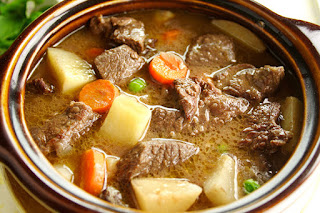 Beef
Beef
If you want to boost your immune system, eat some beef. “Beef is a good source of zinc, and zinc is important in the development of the white blood cells that defend your body,” Research has shown that having a zinc deficiency decreases a person’s immune function and response. Plus, the extra protein you get from chowing down on beef supports the body in building antibodies and fighting off infection,
I hope you have learned alot here, don't forget to leave a comment, like and share to your loved one's
Although many types of viruses can cause a common cold, rhinoviruses are the most common culprit. A cold virus enters your body through your mouth, eyes or nose. The virus can spread through droplets in the air when someone who is sick coughs, sneezes or talks.
How long does a cold last for?
Cold symptoms usually appear 2 or 3 days after a person has been exposed to a source of infection. People with colds are most contagious for the first 3 or 4 days after the symptoms appear and may be contagious for up to 3 weeks. Although some colds can linger for as long as 2 weeks, most clear up within a week.
Signs and symptoms, of cold can vary from person to person, might include:
Runny or stuffy nose.
Sore throat.
Cough.
Congestion.
Slight body aches or a mild headache.
Sneezing.
Low-grade fever.
Generally feeling unwell (malaise)
There's no vaccine for the common cold, but you can take common-sense precautions to slow the spread of cold viruses: Wash your hands. Clean your hands thoroughly and often with soap and water, and teach your children the importance of hand-washing.

Ginger
Ginger is known as the universal medicine . ginger helps break down mucous to help clear your respiratory tract and alleviate symptoms of congestion. It also contains phytochemicals that help fight viruses that can cause respiratory illnesses. use fresh ginger in teas and cooked with food.
Vitamin C, also known as Ascorbic Acid include the treatment of the common cold, boosting the immune system, The important sources of Vitamin C are any citrus fruits, such as oranges and grapes. Strawberries, raspberries, cabbages, cauliflower, other leafy vegetables, red peppers, potatoes, broccoli, chilies, watercress, parsley, Brussels sprouts, cantaloupes, mange tout, and kiwi fruits are also rich sources of this vitamin.

Vitamin A
Vitamin A is known to help keep certain parts of the body, like the lining of the digestive tract, healthy. This helps prevent infection because the digestive tract is a physical barrier to infection and illness.
vitamin A foods include sweet potatoes, carrots, dark leafy greens, winter squashes, lettuce, dried apricots, cantaloupe, bell peppers, fish, liver, and tropical fruits.

Chicken Soup
You should eat chicken soup when you’re sick. This age-old elixir combines many elements that help
speed your recovery. The warm broth not only soothes your throat but helps you stay hydrated, too. “Hot liquid, like soup, raises the temperature in your body and airways, loosening mucus secretion.

If you want to boost your immune system, eat some beef. “Beef is a good source of zinc, and zinc is important in the development of the white blood cells that defend your body,” Research has shown that having a zinc deficiency decreases a person’s immune function and response. Plus, the extra protein you get from chowing down on beef supports the body in building antibodies and fighting off infection,
I hope you have learned alot here, don't forget to leave a comment, like and share to your loved one's
Subscribe to:
Posts (Atom)